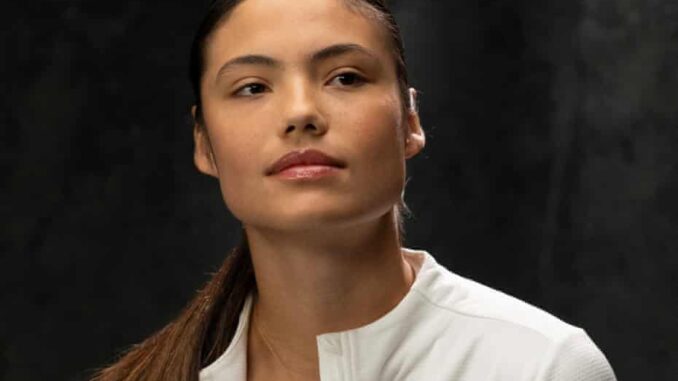
Emma Raducanu jokes that if she ever needed a side career, becoming Bromley’s official ambassador would suit her perfectly. During a relaxed roundtable with tennis reporters after a grinding but fulfilling season, Britain’s top female player found herself unintentionally giving a heartfelt endorsement of her hometown. While explaining how she spent a rare quiet stretch at home, she slipped into describing Bromley with the affection of someone who has finally rediscovered her roots.
“I just feel really settled,” she said. Having spent most of the year competing abroad, she relished simple days with her parents and the familiarity of her childhood bedroom. The area, she explained, has changed since she was young: new speciality coffee shops have appeared, parks remain as green as ever, and commuting on the train during the morning rush has oddly become part of her daily reset. “As soon as I get on the South Western into Waterloo, I’m like: my day is done now,” she laughed.
This sense of peace is the result of a year in which she quietly rebuilt her game and mindset. At 23, Raducanu climbed from outside the top 60 back to No 29—her highest ranking in three years—by playing a fuller schedule and producing steadier results. Just as importantly, she found long-needed stability within her team. Her partnership with Spanish coach Francisco Roig, formerly part of Rafael Nadal’s coaching staff, has grown steadily, and she begins 2026 with Emma Stewart as both physiotherapist and strength coach, bringing Olympic-level experience from British Rowing.
But in recent weeks, Raducanu has tried not to think about tennis at all. After cutting her Asian swing short due to illness, she spent time visiting family in her mother’s native China and poured her energy into language study—improving her Mandarin, brushing up her Spanish at Roig’s request, and even practicing French. “I’m trying to do everything,” she joked. “I actually need rest days from my rest days. It gets surprisingly consuming.” Her team even teased her for sending them messages in French despite some of them not knowing a word of it.
Her calmer mindset contrasts sharply with some unsettling moments earlier in the year, when she faced unwanted attention from a fixated individual—an ordeal that impacted her confidence in public. She previously said she kept her head down constantly to avoid being recognized. Now, she insists that anxiety has faded. “My neck doesn’t hurt anymore from looking down,” she said. “I’m not worrying as much.” The only lingering discomfort came from seeing a paparazzi photo taken without her noticing—an image tabloids then used to falsely imply she had a new boyfriend. “It was literally my best friend’s brother,” she sighed. “Be better, guys.”
While many top players have criticized the relentless length of the tennis season, Raducanu offered a contrasting stance. She acknowledged the demands but rejected the idea that players should moan about it. “We’re making a great living,” she said. “It’s tough, yes, but lots of people have tough jobs. Complaining doesn’t set a good example for younger players.” She believes professionalism means accepting the schedule as it is.
Next, Raducanu reunites with her old friend Jack Draper at the United Cup to kick off the 2026 season. Before that, she begins an intense training block in Barcelona with Roig, hoping to sharpen her shotmaking and close the gap between herself and the sport’s elite. Reflecting on the year, she said: “I went through tough times, on and off the court, but it taught me my own strength. Spending time learning, studying, understanding myself—it’s helped me feel genuinely content again.”
Leave a Reply