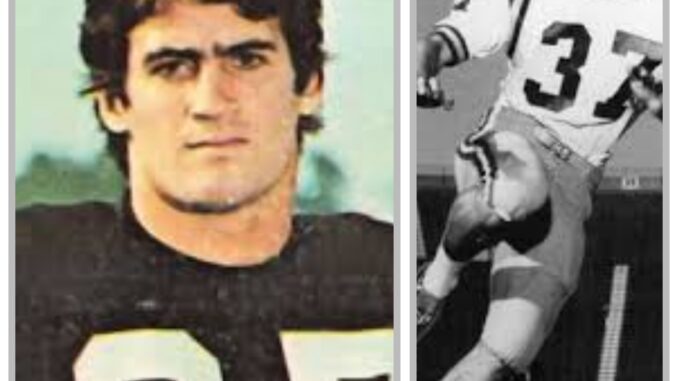
In the rich history of the Cincinnati Bengals, many names have earned acclaim for their standout performances and enduring impact. Yet one exceptional player, Tommy Casanova, remains somewhat underrated despite an impressive career both on and off the field. Casanova was a remarkably talented defensive back whose NFL tenure, though brief, shone brightly. His life beyond football, however, may be even more remarkable, marked by academic excellence, medical achievement, and dedicated public service.
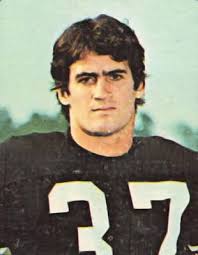
Before entering the NFL, Casanova had already established himself as a college football legend at Louisiana State University (LSU). During the late 1960s and early 1970s, he was widely recognized as one of the most versatile players in the sport. A three-time All-American, Casanova excelled as a cornerback, kick returner, and occasionally contributed on offense. His combination of blazing speed, a sharp football intellect, and fearless play made him a force on the field.
Casanova remains celebrated as one of LSU’s greatest all-around athletes. In 1970, he earned spots on the All-SEC and All-America teams, honors reserved for the very best players in college football. His lasting legacy was cemented with induction into the College Football Hall of Fame in 1995. To this day, his jersey number 37 is held in high esteem by LSU fans and continues to be a symbol of his dominance in Baton Rouge.
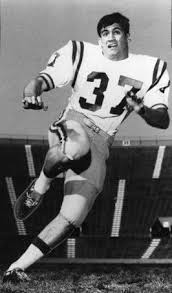
After college, Casanova was selected in the second round of the 1972 NFL Draft by the Cincinnati Bengals. He quickly became one of the league’s premier young defensive backs. Known for his intelligence and instincts, Casanova had an uncanny ability to read opposing offenses, allowing him to make timely interceptions and tight coverage plays. His consistency and poise brought calm leadership to a developing Bengals defense.
In 1974, he earned his first Pro Bowl selection, a significant achievement for a player on a team that often flew under the national radar. Over his six-year career, Casanova was named to three Pro Bowls, showcasing his elite status among NFL defensive backs. His career totals include 17 interceptions, an impressive feat given his relatively short time in the league. Many believe that had he played longer, he might have been a strong candidate for the Pro Football Hall of Fame.
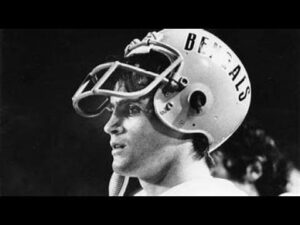
What truly sets Casanova apart, however, is his extraordinary decision to retire at just 28 years old, while still playing at an elite level. Rather than continuing to chase football fame and fortune, he chose to pursue a career in medicine—an uncommon path for professional athletes at the time. Even during his playing days, Casanova was academically driven, balancing his studies with his athletic commitments.
He returned to LSU to attend medical school and eventually became a licensed ophthalmologist. His dedication to medicine demonstrated a remarkable commitment to helping others, illustrating that his talents extended far beyond the football field. At a time when many athletes cling to their sports careers for financial security or identity, Casanova willingly stepped away to embrace a higher purpose.
Beyond medicine, Casanova also served the public as a Louisiana State Senator in the 1990s. His contributions in politics reflect his lifelong dedication to community service and leadership in multiple arenas.
Though his name might not be as widely celebrated as some of his peers, Tommy Casanova’s legacy is a powerful reminder that true greatness transcends athletic achievement. It is about integrity, courage, and the ability to choose a path aligned with one’s values. Casanova wasn’t just a football star—he was a doctor, a legislator, and an inspiring example of excellence and service.
In every sense, Tommy Casanova outgrew the game and forged a legacy that remains as impressive off the field as it was on it.
Leave a Reply